
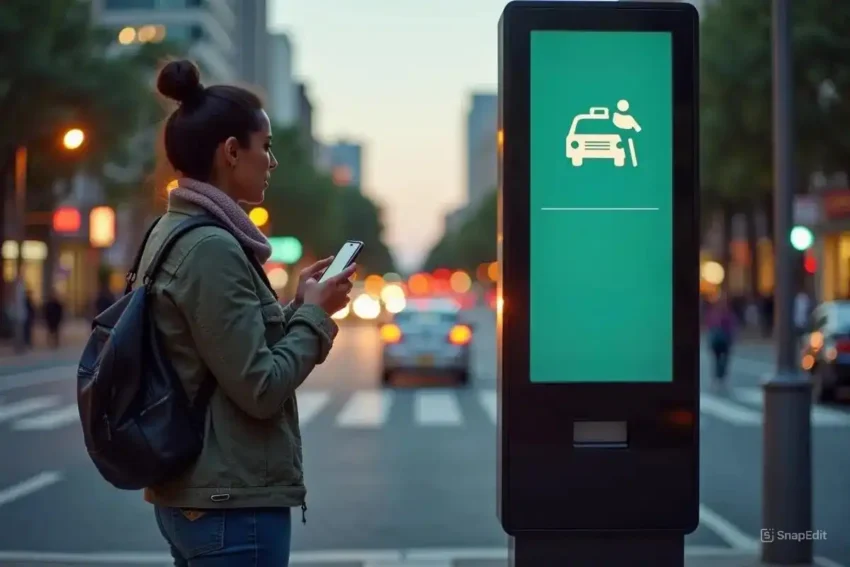
We’ve all come to rely on ridesharing apps like Uber for convenience, whether we’re heading home late or traveling in a new city. While these services have revolutionized how we get around, the unfortunate truth is that safety concerns, particularly involving sexual harassment, remain a chilling reality for many women riders.
It is absolutely vital to empower yourself with knowledge and proactive strategies because your personal vigilance is your greatest immediate tool for defense. However, even a simple vehicular issue may require specialized attention, such as seeking legal help after a rideshare accident. Until every ride is perfectly secure, taking charge of your experience is non-negotiable. Here are five essential tips every woman should adopt to protect herself on the road.
Verify Everything Before You Hop In
This is the golden rule of rideshare safety and the single most important step you can take. Never get into a car just because it slows down in front of you. A quick, two-step verification process can deter potential predators who might be posing as drivers.
First, before you open the car door, check the app and confirm the three key details: the license plate number, the car’s make and model, and the driver’s photo. If even one detail is off, cancel the ride and do not enter the vehicle, even if the driver insists they are your ride. Second, after you’ve verified the car, ask the driver, “Who are you picking up?” Never state your name first (e.g., “Are you here for Sarah?”). A non-legitimate driver can simply agree, but asking them to confirm the passenger’s name forces them to provide information they should only have if they are your real, assigned driver. If they can’t confirm your name or if they give you a strange look, walk away and report the car immediately.
Never Ride in the Front Seat Alone
While it may feel polite or friendlier to hop into the passenger seat, sitting in the back is a crucial safety measure for a solo rider. This small physical barrier gives you the necessary distance from the driver, which can be critical if they begin to act inappropriately or aggressively.
Sitting in the back provides you with easier access to either side of the car, allowing for a swift exit if needed. Furthermore, when you sit directly behind the driver, they have a limited line of sight to you via the rearview mirror. This positioning is a simple, non-confrontational way to maintain personal space and make yourself less vulnerable throughout the trip.
Share Your Trip Status and Live Location
All major ridesharing apps, including Uber, have a built-in “Share My Trip” or “Share Status” feature, and you should use it every single time you ride alone. This feature allows you to select a trusted contact—a friend, partner, or family member—who can track your exact route in real-time on a map.
This contact receives a text message with your trip details, including the driver’s name, the car’s license plate, and your location. If you want to take it a step further, call a friend after you get in and talk naturally for the first few minutes, letting the driver know you are sharing your location and giving your friend your ETA. Predators are less likely to act out if they know a third party is actively monitoring the ride.
Be a Distracted, Uninterested Passenger
While a pleasant conversation can be nice, a rideshare is a professional transaction, not a social outing. If a driver starts asking overly personal questions—about where you live, if you are single, or what your work schedule is—it’s a red flag that crosses a professional boundary.
Your best response is to disengage politely but firmly. Pretend you’re on an important phone call with a loved one, or put in earbuds and pretend to be listening to a podcast or music. Keep your answers short, vague, and focused on the trip itself. You are not obligated to entertain your driver, and shutting down overly familiar or flirtatious conversation can prevent a minor form of harassment from escalating.
Trust Your Gut and Know the Exit Strategy
Your intuition is your most reliable safety tool. If something feels off—maybe the driver is taking a strange route, driving erratically, or making you uncomfortable—don’t dismiss that feeling. Do not wait until you reach your destination.
First, use the in-app emergency button, which connects you discreetly to 911 or a security response center. Second, be assertive and demand to be dropped off immediately in a well-lit, public place, such as a busy gas station or restaurant. You can even feign sudden sickness to compel them to pull over. Always know how to manually unlock the door in the back seat and exit quickly. It’s far better to be slightly inconvenienced and have to walk a few blocks than to remain in a situation where you feel unsafe.
Final Thoughts
Ridesharing offers freedom and convenience, but that should never come at the expense of your personal safety. By adopting these five straightforward, actionable steps, you are taking proactive ownership of your journey and maximizing your personal security. From verifying your ride details to mastering an exit strategy, your vigilance is key to preventing harm. Remember that incidents—including those that involve physical or emotional distress—do happen, and in those moments, knowing your options for seeking assistance is essential. If you ever find yourself needing help with a difficult situation, seeking legal help after a rideshare accident or assault is an important step to ensure you receive the justice and support you deserve.