
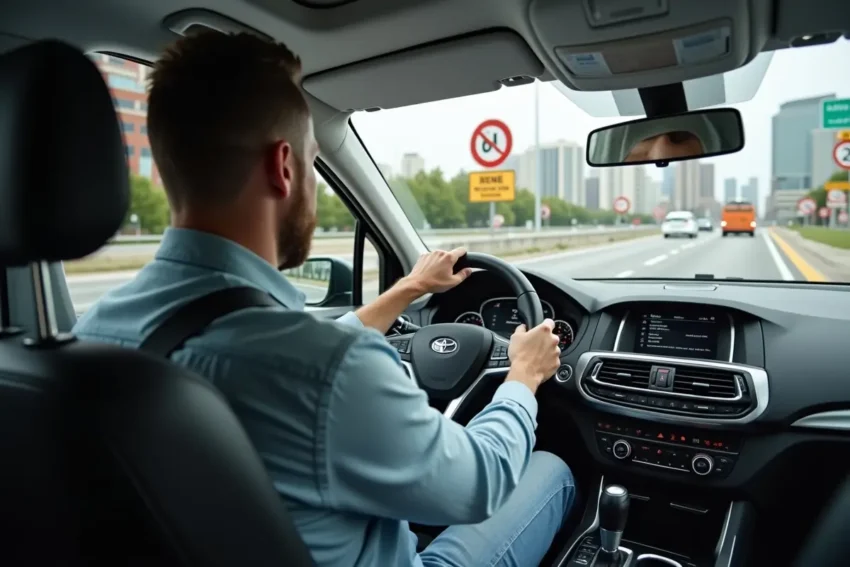
Car accidents are an unfortunate reality on roads worldwide, often resulting in injuries, fatalities, and significant property damage. Whether you are a new or experienced driver, understanding the main causes behind these incidents is essential for keeping yourself and others safe. Being proactive about safe driving habits and knowing when to seek help from car accident attorneys can make a critical difference in the aftermath of a collision.
Effective accident prevention hinges on awareness and responsible choices on the road. Drivers can minimize risks by focusing attention on driving, obeying traffic laws, maintaining vehicles, and adapting to changing conditions. Making these changes not only protects you but also fosters a safer environment for all road users.
Awareness of key risk factors empowers drivers to take swift preventive action. By recognizing how distractions, speeding, impairment, vehicle neglect, and weather can increase accident risk, you can actively avoid dangerous situations.
While vigilance plays a leading role in road safety, education about the causes of accidents can foster lasting, positive habits and reduce the toll of crashes in our communities. According to the National Highway Traffic Safety Administration, promoting defensive driving and regular safety checks is pivotal to accident prevention (NHTSA).
Distracted Driving
Activities that divert your attention from the road, such as texting, eating, or adjusting in-car systems, can result in severe crashes. To reduce your risk:
- Keep mobile devices out of reach or use hands-free options.
- Adjust navigation and entertainment systems before you start driving.
- Wait until safely parked before handling other tasks.
Speeding
Excessive speed limits your reaction time and increases the chances of serious injury in a collision. Tips to avoid speed-related dangers include:
- Obey posted speed limits at all times.
- Lower your speed according to road and weather conditions.
- Allow extra time to reach your destination so you are not tempted to speed.
Impaired Driving
Driving under the influence of alcohol, drugs, or certain medications impairs judgment and slows reaction times. To stay safe:
- Designate a sober driver or use public transportation if you have consumed any intoxicating substances.
- Be aware of prescription or over-the-counter medications that may impair driving.
- Encourage those around you to avoid driving while impaired.
Reckless Driving
Aggressive maneuvers such as tailgating, weaving through traffic, and running traffic signals put everyone at risk. Prevent reckless driving by:
- Keep a safe distance behind the car in front of you.
- Following all traffic laws and signals.
- Staying patient, especially during congested or stressful driving situations.
Weather Conditions
Adverse weather conditions such as heavy rain, thick fog, or icy roads significantly increase the risk of accidents. To adjust for these conditions:
- Reduce speed and expand your following distance in inclement weather.
- Utilize headlights appropriately to increase your visibility to others.
- Maintain your tires and brakes for optimal performance on wet or slick surfaces.
Running Red Lights and Stop Signs
Ignoring red lights and stop signs is a leading cause of T-bone and side-impact collisions. Prevent such incidents by:
- Stopping completely at all red lights and stop signs before proceeding.
- Look in all directions before crossing intersections.
- Watching for drivers who may be ignoring signals as well.
Drowsy Driving
Driving while fatigued diminishes concentration and quick responses, comparable to impairment from alcohol. Stay alert through:
- Getting adequate sleep before long journeys.
- Taking regular breaks to rest on extended trips.
- Sharing the driving load with other travelers, if possible.
Vehicle Maintenance
Poor maintenance may result in brake failure, blown tires, or other malfunctions that can trigger crashes. To keep your vehicle safe:
- Check brakes, tires, and lights frequently.
- Attend to dashboard warning lights or odd noises immediately.
- Follow your manufacturer’s recommended service schedule.
Remaining vigilant to these common accident causes lets you take meaningful action to keep roads safer. For more practical road safety advice, consult the authoritative resources available at the Centers for Disease Control and Prevention.
Inexperienced Drivers
Inexperienced drivers, particularly teenagers, are statistically more likely to be involved in car accidents. Their lack of road experience often leads to greater risk-taking, mistakes in judgment, and slower reaction times in critical situations. Comprehensive driver education and ample practice can greatly reduce these risks.
- Routinely practice with an experienced driver, especially in various driving conditions.
- Pay extra attention in high-risk scenarios such as night driving or inclement weather.
- Enroll in defensive driving courses to learn advanced safety maneuvers.
Road Hazards
Unexpected road hazards can quickly cause loss of control. Potholes, debris, construction zones, and poorly marked roads pose challenges that demand heightened awareness and prompt responses. Drivers should be prepared to respond safely to these obstacles.
- Stay alert for roadwork signs or hazard markers, and be ready to slow down or change lanes.
- Report large potholes or obstructions to local authorities when possible.
- Keep a safe distance, allowing time to react to hazards encountered by vehicles in front of you.
Night Driving
Driving at night increases the risk of accidents due to reduced visibility and a greater likelihood of encountering fatigued or impaired drivers. Proper precautions and attentive driving can make night travel significantly safer.
- Use high beams responsibly to increase visibility without blinding other drivers.
- Reduce speed and increase your following distance in dimly lit areas.
- Be extra vigilant for pedestrians, cyclists, and animals, who may be harder to see at night.
Building Long-Term Safe Driving Habits
Safe driving is a lifelong commitment. It goes beyond avoiding major causes of car accidents; it involves fostering a culture of caution, responsibility, and respect for others on the road. Frequent reminders and updated knowledge can help reinforce positive habits and help drivers adapt to new challenges, evolving laws, and vehicle technologies.
- Regularly stay informed about traffic laws and recommended safety practices in your area.
- Model safe driving behaviors for family and peers, encouraging others to prioritize safety.
- When involved in or witnessing a traffic incident, report it to help keep roadways safer for everyone.
Practicing these preventive measures and sharing road safety tips in your community can save lives and better protect our roads for future generations.