
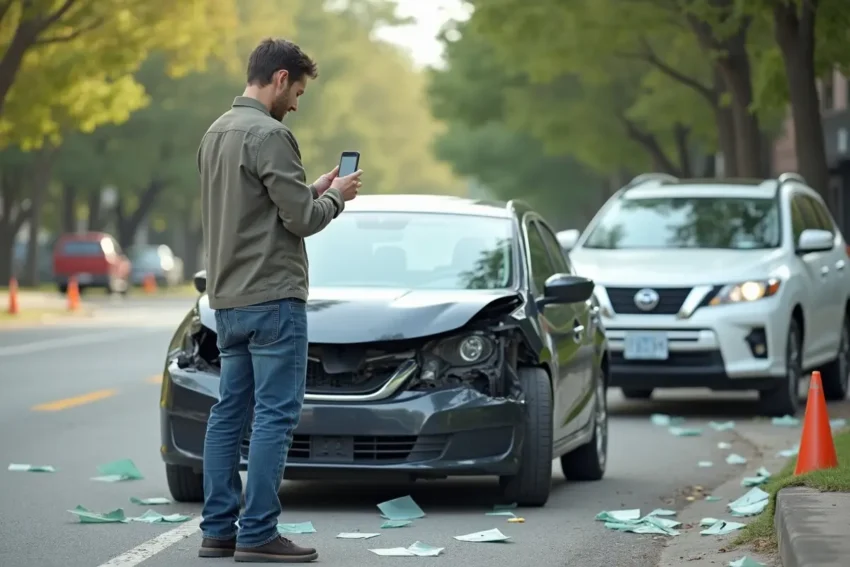
Gathering the proper evidence following a motor vehicle accident is crucial for a successful insurance claim. Strive to amass as much evidence as you can, even if you’re uncertain about its relevance to your claim. Ensure you collect a range of evidence types, such as photographs, witness statements, official reports, and medical records.
Document the scene meticulously, noting any details that could support your case. Additionally, keep a detailed record of any conversations with involved parties and insurance representatives.
Collecting Evidence Following a Car Crash
Prioritise People
Ensure the safety of everyone involved. If there’s any uncertainty or if someone appears injured or distressed, contact emergency services immediately.
Notify the Authorities
In Western Australia, it is compulsory to report any accident to the police if it involves injuries or if the damage to vehicles or property is expected to exceed $3,000. Obtain a copy of the police report, as it’s crucial evidence for insurance claims.
If you are injured and not at fault, notify the Insurance Commission of Western Australia when making the police report. This will initiate a claim for your injuries and provide you with a claim number, which, if approved, can be used to access paid medical assistance and treatment. Ensure you keep a record of your police report number and any communications with the Insurance Commission.
Collect Details from Others
Collect the names, addresses, phone numbers, insurance details, and vehicle registration numbers of everyone involved. Document the make, model, and colour of all vehicles involved in the incident.It’s also useful to record the exact location and time of the accident.
Capture Photos and Videos
Capture multiple angles of the accident scene, including all vehicles involved, any visible damages, and relevant road signs or signals. The more detailed the photo evidence, the better, so take as many as possible. Incorporate all elements in the vicinity, such as fire hydrants, wet surfaces, and potholes. If you are injured, take photos of your injuries if possible. Don’t forget to timestamp your photos for accurate documentation.
Identify Witnesses
Witness statements can significantly strengthen a claim. If there are any bystanders who saw the accident, get their contact details.
Request a Witness Statement
Reach out to the witness and inquire if they are willing to give a statement detailing what they observed at the accident scene.Request a written statement or arrange to meet with them in person to record it. Use your phone or a recording device, or take written notes and ask them to sign it for verification.
Be sure to thank them and offer your contact details in case they have more to share later. If you’re uncomfortable doing this, consider engaging a solicitor or private investigator to assist. Always remember to follow up with witnesses promptly to ensure their statements are fresh and accurate.
Achieving an Advantage for More Equitable Claims
Beyond the basics of filing an efficient car accident claim, there are several lesser-known methods to gather additional evidence.
Utilise Google Maps or Street View
Insurers and lawyers can better understand the context of the accident by accessing detailed information about the exact location. If you didn’t take enough photos at the scene, check Google Maps or Street View for more images and information, then download or screenshot them to add to your evidence. This additional visual data can significantly strengthen your claim. Additionally, Street View can provide historical imagery that might capture relevant details from before the accident.
Capture Dashcam Footage
Save and back up any footage collected on a dashcam immediately. You can also search for public or private surveillance cameras that might have captured the accident. In this case, request footage from property owners or local authorities. Such footage can provide an unbiased perspective of the accident and corroborate your account of events, enhancing the credibility of your claim.
Create a Sketch
Create a detailed sketch of the accident scene. Include the position of all cars involved, nearby parked cars, the location of witnesses, trees, crossings, street names, cross streets, the street’s width, speed limits, traffic lights, and street signs. This visual aid can clarify the events and support your claim by providing a clear visual representation for insurers and legal professionals to understand the accident’s layout and dynamics.
Record Notes Promptly
The stress of a car accident can impair your memory of crucial details relevant to a claim. Write down everything as soon as possible after the accident, including the time, weather conditions, any conversations with the other driver or people at the scene, your speed, and any contributing factors like roadwork or distractions. Detailed notes can be invaluable in painting an accurate picture of the incident and ensuring you don’t overlook critical information that could strengthen your case.
Leverage Social Media
Other drivers or local residents sometimes post about accidents in community groups or on social media. Engage with these platforms to locate extra witnesses or footage of the incident. Social media can be a powerful tool for gathering supporting evidence, providing potential leads on witnesses or additional evidence that could bolster your claim.
Seek an Accident Reconstruction Specialist
If the circumstances of the accident are complex, consider consulting a car accident reconstruction specialist. They can provide expert testimony that might be crucial for a claim, especially in contentious cases where the sequence of events or liability is disputed. Their analysis and professional insight can provide clarity and credibility to your claim.
Monitor Your Health
Even if you feel only slightly injured or bruised, visit a doctor. Certain injuries from motor vehicle accidents, such as whiplash, might not manifest immediately. A doctor can identify small injuries or misalignments that could develop or worsen over time. Early medical records are important evidence for successful injury compensation claims, documenting the extent of your injuries and the initial medical assessment following the accident.
Record Your Recovery Process
If you suffered an injury, start a ‘recovery diary’ to advance your insurance claim. Document all medical visits, how the injury affects your daily life, and any emotional impacts the car accident has had on you. This diary will provide valuable evidence for compensation related to pain and suffering, demonstrating the ongoing impact of the accident on your life. Additionally, keep track of any expenses incurred due to the accident, such as transportation costs for medical visits, to include in your claim for comprehensive compensation.
Endnote
Gathering evidence after a car accident is not just about meeting basic requirements; it’s about building a strong foundation for your insurance claim. Each piece of evidence collected, from detailed photographs to witness statements and medical records, plays a crucial role in demonstrating the impact and circumstances of the incident.
At Soul Legal, our personal injury lawyers understand the importance of thorough documentation and strategic evidence gathering. By following these steps diligently, you not only protect your rights but also enhance your chances of receiving fair compensation for your losses and injuries. For expert guidance and support throughout your claim process, trust Soul Legal to advocate effectively on your behalf.