
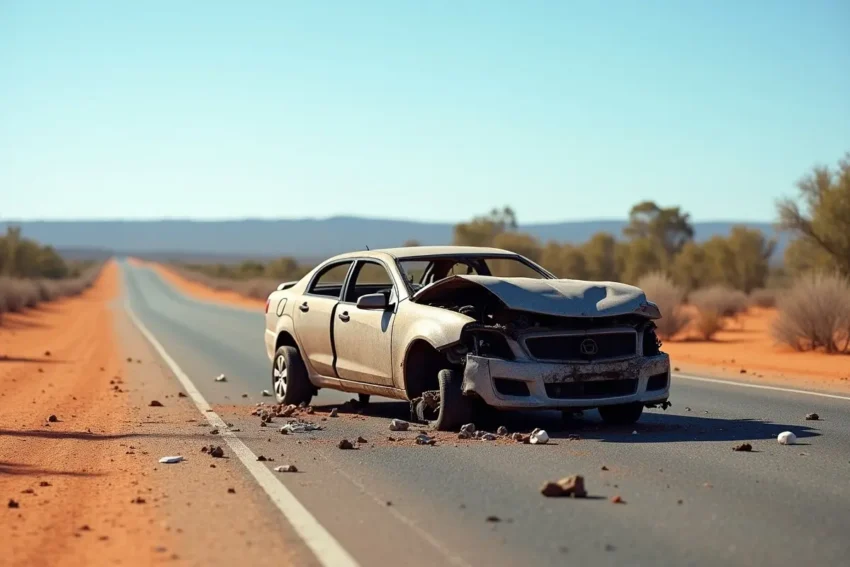
Discovering that your car has been damaged can be stressful. Whether it’s a minor scratch in a car park or a major collision on the road, knowing the right steps to take in Australia can protect your legal and financial interests. Acting quickly and carefully can save time, reduce stress, and ensure compliance with Australian laws and insurance requirements.
Immediate Actions After Discovering Damage
Your first priority after finding your car damaged is safety. If the incident occurred on a public road, ensure you and any passengers are in a safe location away from traffic. If the car is in a dangerous position, move it to a safer spot if possible.
Next, document the scene thoroughly. Take clear photos of your car’s damage, any debris, skid marks, and surrounding landmarks. Evidence like this is critical for insurance claims and potential legal matters. Also, check for witnesses or nearby security cameras that may have recorded the incident. Their statements or footage can be invaluable, especially if the other driver disputes responsibility.
Getting the Right Information
If another vehicle is involved, collect the driver’s full name, contact details, vehicle registration, and insurance information. Avoid admitting fault at the scene—simply exchange information and remain factual.
For hit-and-run incidents, note down any details you can, including the vehicle’s make, model, colour, and license plate. Keep notes about the time, weather, and exact location. Photographs taken immediately after the incident are especially helpful.
Reporting Requirements in Australia
Certain car accidents in Australia must be reported to the police, particularly if there are injuries, significant property damage, or a hit-and-run. Your insurance provider may also require a police report. Notify your insurer as soon as possible, since most companies have strict timeframes for submitting claims.
For comprehensive guidance on handling these situations according to Australian regulations, you can consult https://www.bradfordlegal.com.au/what-to-do-when-someone-hits-your-car/. This resource covers essential legal considerations and step-by-step instructions.
Insurance Claims Process
After taking immediate actions, begin your insurance claim. Contact your insurer with all collected information and photographs. You may need to provide a completed claim form, police report, and witness statements.
Determining fault is an important part of Australian insurance procedures. Liability may be assigned fully or partially to either party based on the evidence. Your insurer will assess the situation and decide how repairs and compensation are handled.
Conclusion
When your car is damaged, remaining calm and following a clear process makes a difficult situation manageable. Key steps include ensuring safety, documenting the incident, collecting details, notifying authorities, and filing an insurance claim promptly.
Australian drivers can access further guidance at https://www.bradfordlegal.com.au/what-to-do-when-someone-hits-your-car/ to ensure compliance with legal requirements and insurance procedures. Acting quickly and methodically ensures your rights are protected and the resolution process is smoother.