
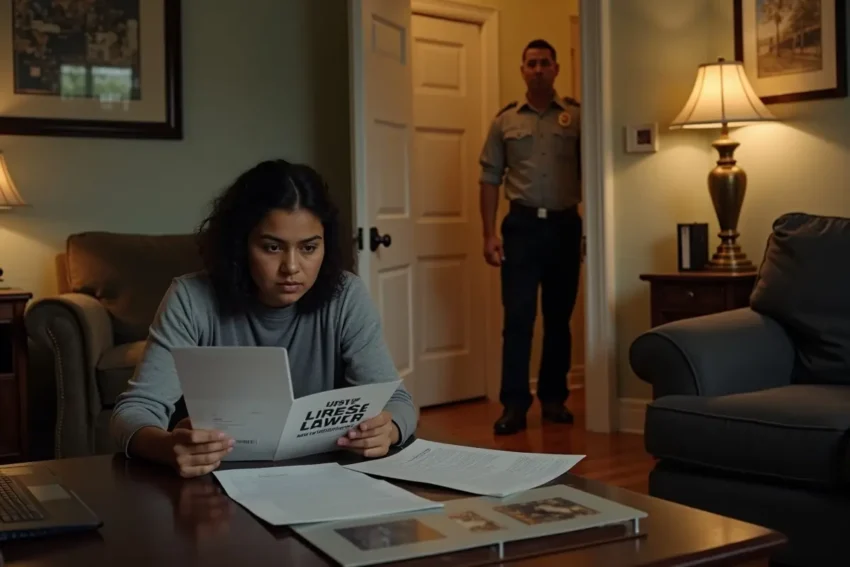
It is a scenario that keeps many families awake at night. You are settled in, perhaps having dinner or watching a movie, when a heavy knock echoes through the house. For an immigrant spouse married to a U.S. citizen, that sound can trigger instant panic.
Even if you are in the middle of your green card application or have a pending case, the sight of federal agents on your porch is terrifying. Navigating these high-stress moments requires a cool head and a clear understanding of your constitutional rights.
Many law firms now use AI chat support for attorneys to help clients get quick answers to basic questions, but in the heat of the moment, you need to know exactly how to handle yourself before you even pick up the phone.
Know Your Rights Immediately
The most important thing to remember is that you have rights under the U.S. Constitution, regardless of your immigration status. The Fourth Amendment protects you against unreasonable searches and seizures. This means that, in almost every situation, ICE agents cannot enter your home without a specific type of warrant.
You are not required to open the door. You can speak to the agents through the door or a window. Ask them why they are there and if they have a warrant signed by a judge. It is vital to distinguish between an administrative warrant (signed by an immigration official) and a judicial search warrant (signed by a court). An administrative warrant does not give them the legal authority to enter your private residence without your consent. If they claim to have one, ask them to slide it under the door or hold it up to a window so you can read it.
Stay Calm and Remain Silent
It sounds like a cliché from a police drama, but “anything you say can and will be used against you” is a reality. When adrenaline is pumping, it is human nature to want to explain your situation. You might feel the urge to tell them you are married to a citizen or that your paperwork is being processed. However, the best strategy is often to say as little as possible.
You have the right to remain silent. You can simply state, “I am exercising my right to remain silent, and I wish to speak with a lawyer.” Do not provide information about where you were born, how you entered the country, or your current legal status. While it feels rude or confrontational, it is actually the safest way to protect your future in the United States. Whatever you do, do not hand over any documents that are not requested via a valid warrant, and never, ever provide false documents.
Document Everything as it Happens.
If you can do so safely, try to record the interaction. Use your phone to take a video or audio, or ask a family member to do it. If you cannot record, try to write down the names and badge numbers of the officers involved. Take note of how many agents are there, what they are wearing, and what they say to you.
If they do enter your home without a warrant, do not physically resist. This can lead to criminal charges and physical harm. Instead, clearly state, “I do not consent to this search,” and then continue to remain silent. Documentation is your best friend later on when your attorney is fighting your case in court. Those details can be the difference between a case moving forward and one being thrown out due to procedural violations.
Have an Emergency Plan in Place
Because you are married to a U.S. citizen, you likely have a strong path toward legal residency, but the system is slow. Preparation is the best antidote to fear. Ensure your spouse knows exactly where all your important documents are kept. This includes your marriage certificate, birth certificates, any pending USCIS receipts (like the I-130 or I-485), and contact information for your immigration lawyer.
Make sure you have a “designated caller.” If one person is detained, the other should know exactly who to call. This could be a specific family member or a legal representative. It is also a good idea to have a power of attorney prepared, which can also be incredibly helpful if one spouse needs to manage finances or childcare while the other is dealing with an immigration hold.
The Power of Legal Representation
The moment the encounter ends, or even while it is happening, if you have the chance, contact your immigration attorney. Being married to a U.S. citizen provides significant legal protections.
However, those protections have to be asserted in court or through the proper channels. An attorney can file for an emergency stay of removal or represent you in a bond hearing to get you back home as quickly as possible.
Final Word
The legal landscape is constantly shifting, and modern law offices are becoming more efficient at handling these crises. Many firms have integrated AI chat support for attorneys to ensure families receive immediate procedural guidance when every second counts.
While no piece of software replaces a real lawyer, being prepared with the right information and a solid plan ensures that a knock at the door doesn’t have to be the end of your American dream.