
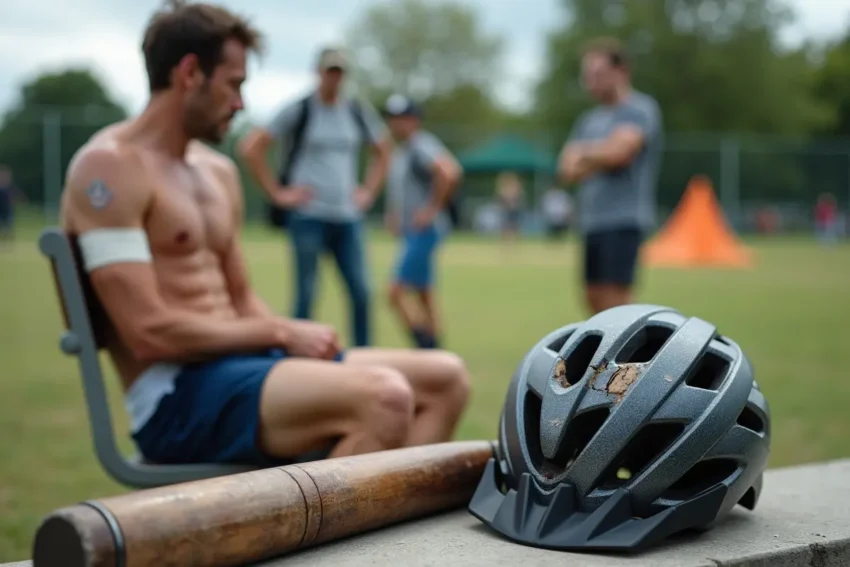
Picture this scenario. An athlete is halfway through a cycling event when their helmet buckle snaps during a fall. What should have been a minor accident turns into a severe concussion and a long recovery. The athlete did everything right. The equipment did not.
Injuries like these are not always just accidents. In many cases, they can be linked to faulty or poorly designed gear. When sports equipment fails to perform as intended, injured individuals may have the right to pursue a sports equipment injury lawsuit.
This guide explains:
- When manufacturers may be held responsible
- How liability works in defective sports equipment cases
- The steps to take if faulty gear causes harm
So, let’s dive right into it.
Common Types of Defective Sports Equipment
Sports equipment is meant to support performance and protect athletes during training and competition. When a product is defective, it can cause serious sports injuries even under regular use.
Some of the most common types of faulty sports gear include:
Protective Equipment Failures
Helmets, pads, goggles, mouthguards, and gloves are designed to absorb impact and reduce the risk of injury. When protective gear materials are weak, poorly assembled, or lack proper testing, they may fail at the moment they are needed most. Helmet malfunction can contribute to traumatic brain injuries, while defective pads may fail to reduce the force of heavy impacts.
Faulty Machines and Training Equipment
Exercise machines, treadmills, bicycles, weight benches, resistance bands, and stationary bikes have mechanical components that must function safely. If a treadmill speeds up suddenly, a band snaps under normal tension, or a bike frame cracks during use, the result can be severe harm. These failures often point to a design flaw or a manufacturing defect.
Sports Footwear Defects
Shoes designed for running, soccer, basketball, or tennis must offer traction, stability, and adequate support. Weak materials or unstable construction can lead to falls, ankle sprains, tendon injuries, or long-term joint damage.
Understanding Liability for Defective Gear
When faulty sports equipment causes harm, the next step is determining who is responsible. Defective gear liability focuses on how the defect occurred and whether the product was unsafe due to its design, production, or inadequate warnings.
Liability may arise from:
- Manufacturing defects, where mistakes during production make a dangerous or defective product
- Design flaws, where the product is inherently unsafe even when built properly
- Failure to warn, which happens when manufacturers do not provide clear instructions or safety warnings about known risks
Responsibility can lie with manufacturers, distributors, or retailers, depending on where the defect originated. The key question is whether the injury occurred during the equipment’s regular or intended use. If so, the injured athlete may have grounds for a product liability claim.
Filing an Athletic Injury Claim
If defective equipment leads to an injury, taking the right steps early can make a major difference in the strength of an athletic injury claim. Even when the injury appears minor at first, it is important to act quickly and preserve key evidence.
Step 1: Seek Immediate Medical Care
Always get evaluated by a medical professional after the injury. Detailed medical records provide valuable evidence linking the injury to the defective equipment.
Step 2: Preserve the Equipment
Do not repair, dispose of, or return the faulty product to the manufacturer. The equipment itself is one of the most important pieces of physical evidence. It can help experts determine whether the defect was the result of poor design, faulty construction, or incorrect labeling.
Step 3: Document the Incident Thoroughly
Gather photos of the equipment, the surrounding environment, and any visible injuries. If others saw what happened, write down their names and contact information. Notes about how the product failed and the conditions under which the injury occurred can support the product liability claim.
Step 4: Avoid Discussing Fault or Admitting Responsibility
Do not speculate about who is responsible. Statements made too early, especially to manufacturers or insurance representatives, may be used to weaken the claim.
Step 5: Speak with a Legal Professional
A product liability attorney (or personal injury lawyer) can help assess whether the facts support a legal claim and advise on the best path forward. They can also guide you on how to protect your rights during insurance negotiations.
Legal Recourse and Hiring a Product Liability Attorney
When sports equipment causes injury due to a defect, legal assistance may be necessary to determine fault and recover damages. A product liability attorney can assist by:
- Investigating whether the defect was due to poor design, manufacturing errors, or a lack of warnings
- Preserving and examining the equipment to support the claim
- Gathering records such as safety tests, product manuals, or prior consumer complaints
- Coordinating medical, engineering, or technical experts to show how the defect caused the injury
An attorney also handles communication with manufacturers and insurance companies. This protects injured individuals from making statements that could weaken their case.
For instance, in a 2013 lawsuit against Riddell Sports Group, a jury found that the company was negligent in failing to warn users that its football helmets did not adequately protect against concussions. The helmet maker had known about testing problems for years but did not disclose them.
In successful sports equipment cases like this, courts have held companies liable when safety warnings were inadequate or product designs were flawed. These outcomes highlight how legal guidance can support fair compensation after a preventable injury.
Understanding Faulty Sports Equipment Law
Faulty sports equipment falls under product liability, which protects consumers from unsafe or defective products. These laws hold manufacturers, distributors, and sometimes retailers responsible when a product fails to perform safely during normal use.
The legal system recognizes several key responsibilities for manufacturers of sports equipment:
Safety Standards and Testing
Manufacturers must follow industry safety standards and conduct proper testing before releasing equipment to the public. This applies to helmets, treadmills, protective padding, footwear, and other performance gear.
Duty to Warn
If a product poses a known risk, manufacturers must provide clear labels and instructions explaining how to use it safely. When warning labels are missing or unclear, an injury claim may be based on failure to warn.
Consumer Protection Laws
Most states follow strict product liability rules. Under this standard, the injured person does not need to prove that the manufacturer was careless. They only need to show that the product was defective and caused the injury while being used as intended.
These legal protections help athletes pursue compensation for medical expenses, lost income, pain, or long-term complications resulting from defective gear. Faulty sports equipment law exists to protect consumers from dangers that could have been prevented.
Conclusion
Injuries caused by defective sports equipment can have serious and lasting consequences. Understanding how liability works and acting quickly are key steps in protecting your rights after an equipment-related injury.
When a defect involves design flaws, manufacturing errors, or missing safety warnings, injured athletes may have grounds for legal action. Speaking with a qualified product liability attorney will help you pursue the compensation you deserve.