
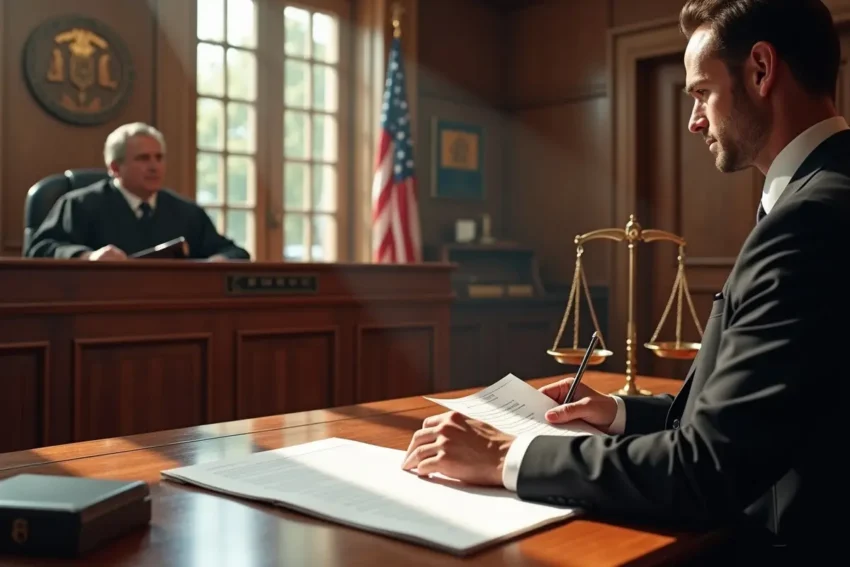
Have you ever wondered what it takes to get a court to step in and provide protection?
Understanding the legal rules for court-issued protection can help you know what steps to take and what to expect. Knowing the right forms, proof, and deadlines can make the process clearer and less stressful.
These rules are meant to keep people safe while making sure everyone is treated fairly. Are you ready to learn the key steps and requirements so you can handle a protection request with confidence? Let’s read on.
Understanding Danger or Threat
One of the first things a court looks at when someone asks for protection is whether there is a real danger. The court wants to know if the person could get hurt, threatened, or followed. This danger must be more than just worry or fear.
You need to show that the threat is serious and could happen soon. Courts take these threats seriously to keep people safe. Even small actions like messages, unwanted visits, or intimidation can count if they make someone feel unsafe.
The Connection Between People
The court also considers the relationship between the person asking for protection and the person they are asking for protection from. Not everyone can get a protection order against anyone.
Usually, the law looks at people who are family members, married or former partners, people living together, or people who have another close connection.
Understanding this connection helps the court decide if the law applies. Courts need to know that there is a reason the law should protect one person from another. The stronger or closer the connection, the more the court may listen to the request.
Showing Proof of Harm
Evidence is very important. Courts need proof that harm or threats actually happened. This proof can be messages, emails, photos, witness statements, or medical records. The clearer the evidence is, the easier it is for the court to see the problem.
Even small pieces of proof can help, but they must show that the danger or harm is real. Without some kind of proof, the court may not be able to grant protection. Collecting and organizing evidence is an important step in the process.
Immediate Need for Protection
Courts look at whether protection is needed right away. Sometimes danger can happen very fast, and the person asking needs help immediately. The court may issue a temporary order to keep someone safe while reviewing all the details.
Showing that there is an urgent need can make a big difference. Courts want to prevent harm before it happens, and understanding the requirements for a restraining order against you can help you stay informed and prepared.
Following the Rules
The person asking for protection must meet certain rules. These rules can include age, where they live, or the type of harm they face.
If someone does not meet the rules, the court cannot issue protection. Knowing and following the law is key to a successful request, helping everyone involved feel safe.
Staying Informed and Protected
Understanding the legal criteria for court-issued protection requests can make the process less confusing and more effective. Knowing what counts as danger, the relationship needed, how to show proof, and when immediate action is required helps you act with confidence.
Following the rules ensures the court can provide the right protection. Staying aware of these steps not only increases the chance of success but also helps you feel safe and prepared every step of the way.
Did you find this article helpful? You can check out our website for more awesome content like this!