
Winter falls are not always about ice. Sometimes the problem is a curb, a wheel stop, or broken pavement that disappears under a snow pile. After a bad trip and fall, people often call the Rubinowitz Law Firm legal team to ask what matters and what to document.
Why Snow Piles Turn Normal Walkways Into Traps
The snow transforms the ground into a different shape. The clean curb line develops into a rounded snow drift, which completely conceals the actual drop-off point. Your foot will land incorrectly because you cannot see the edge, which will result in your loss of balance.
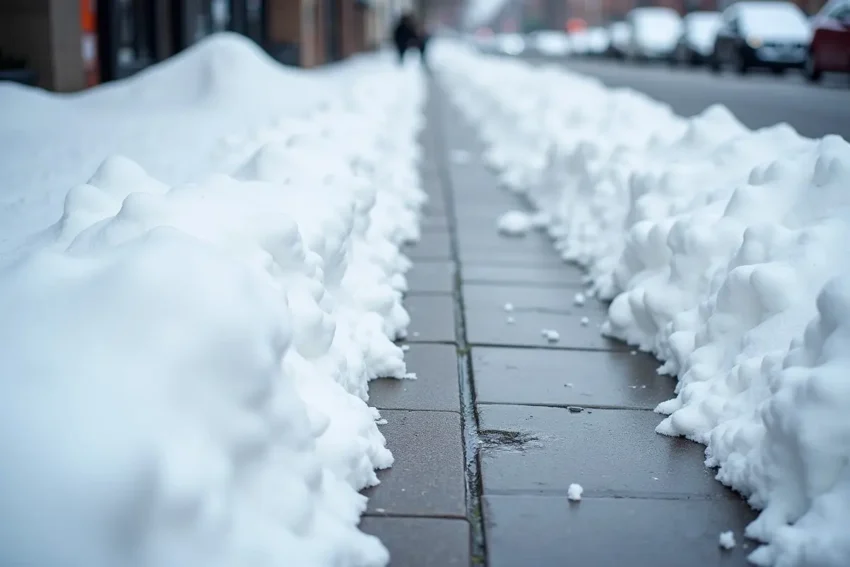
The snow problem increases because plows and shovels create their expected effects. Workers push snow onto street berms, which now block sidewalk paths, crosswalks, and parking lot entrances. The piles appear safe to others because they cover dangerous elements beneath their surface.
Slush creates another problem because it hides actual depth. A wet, gray layer can cover uneven pavement, making it difficult for your brain to perceive height differences. People step confidently into what looks flat and find a surprise ridge instead.
The Hidden Hazards People Trip Over Most
Curbs are the classic culprit. When the curb line is buried, you lose the visual contrast between street and sidewalk. A minor misstep can lead to an ankle twist or a full-force knee impact.
Wheel stops in parking lots are also easy to miss. They sit low, hide under snow, and catch your toe as you walk between cars. People who trip over wheel stops usually fall face-first because they are carrying items in both hands.
Winter conditions create widespread uneven pavement problems. Sidewalk slabs shift, tree roots lift concrete, and potholes form at curb edges. The snow fills all the gaps, creating an appearance of smoothness that does not reflect the actual surface condition.
Where These Winter Trip Hazards Show Up
Parking lots are a hotspot because plowed snow has nowhere else to go. The ends of rows and pedestrian cut-throughs become locations for stacking piles of materials. Hidden obstacles are placed directly at points where people walk while carrying groceries and children.
The combination of bus stops and curb cuts introduces new safety challenges for users. Snowfall creates an obstacle at the ramp area, requiring users to navigate up and over a hidden curb boundary concealed by snow. A flattened curb cut will cause cane, stroller, or wheelchair users to encounter tipping hazards.
The area of building entrances represents a common operational challenge. The entrance door area experiences snow that enters, melts, and refreezes. People entering the building tend to focus on the door rather than on their foot placement.
The corners of crosswalks pose hidden risks that can lead to unsafe situations. Snow is pushed by plows to the curb line, creating a mound that blocks pedestrian movement at the bus stop. The mound at that location poses a danger because it can conceal broken concrete, high curbs, and deep gutters.
Tips For Pedestrians Trying To Stay Upright
The proper method of walking requires you to walk more slowly as you decrease your walking distance. You need to establish a wider standing area to help you balance your body. Another approach is to use your boot to check the surface whenever you feel uncertain about walking.
Your route selection should include both your path and your final destination. You should walk through the area that has been entirely cleared of snow while the lights are at their brightest. The hidden edge of plow berms poses a dangerous risk, as people cannot see what lies beyond them.
You need to use your hands strategically. You should maintain one hand on the handrail whenever one is available. People who handle bags should divide their load between two bags or choose a backpack, as backpacks help them maintain their balance.
Tips For Property Owners And Managers
The process of snow removal requires more than just removing snow from the center of paths. The pedestrian pathways in the area require maintenance because they include curb cuts, crosswalks, and bus stop access points. The existing blockages in those areas will force different people to enter places they cannot anticipate.
Marking helps when full clearing is difficult. The use of cones and temporary stakes, together with visible paint, enables you to create marking points.
Conclusion
Snow piles hide edges, obstacles, and broken pavement that you would normally avoid without thinking. A winter trip hazard is often a visibility problem first, and a balance problem second. If you were hurt and need help sorting out next steps, the Rubinowitz Law Firm legal team can help you understand what information matters.