
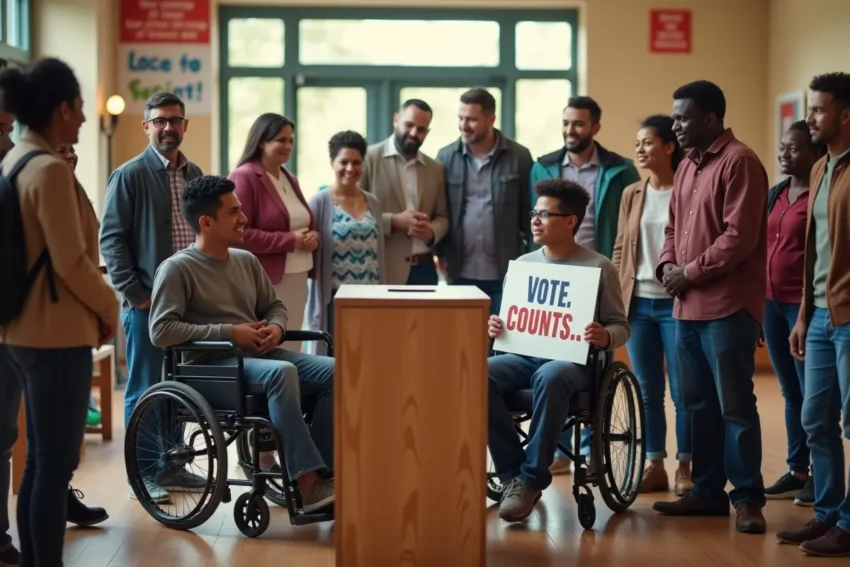
Ensuring that every eligible citizen has the opportunity to vote is fundamental to a thriving democracy. As new challenges arise and debates continue over voting laws in the United States, it is more important than ever for citizens to understand what is at stake and which actions support accessible, fair elections. For those interested in learning how to fight against Trump and defend democracy, resources and grassroots efforts are readily available and critical in today’s political climate.
Recent legislative activity, changes at the federal level, and the evolving roles of advocacy groups present both opportunities and hurdles for safeguarding every citizen’s right to vote. The ongoing conversation is not only about ensuring secure elections, but also about preventing unnecessary barriers that could stop qualified voters from participating.
Accessibility, education, and technology will shape the future of American democracy, making it imperative to approach these topics with clear-eyed urgency.
Legislative Changes and Their Implications
Legislation around voting is frequently changing. One of the most recent and debated proposals is the Safeguard American Voter Eligibility (SAVE) Act, which would mandate documentary proof of U.S. citizenship for voter registration in federal elections.
Supporters believe these measures help to combat voter fraud, but critics argue they are an overreach that could disenfranchise millions of eligible voters. Reports from the New York Times highlight that voter fraud remains exceedingly rare, and restrictive requirements like these most often impact marginalized groups who may struggle to obtain the necessary documents.
The implications of such proposals are profound. In addition to increasing administrative burdens on election officials, these laws could have a chilling effect on turnout, especially among minorities, the elderly, and working-class Americans who already face challenges getting to the polls.
Federal Efforts to Protect Voting Rights
The U.S. Department of Justice (DOJ) plays a crucial role in defending voting rights and challenging laws that may disenfranchise voters. In 2021, the DOJ sued Georgia over elements of its Senate Bill 202, arguing that the bill intended to restrict voting access, particularly for voters of color.
Actions like this demonstrate the federal government’s commitment to ensuring that every lawful vote counts and that no eligible citizen is shut out of the process by discriminatory statutes or deliberate misinformation. The DOJ’s willingness to pursue legal action sends a clear message that protecting democracy is a federal priority.
The Role of Nonprofit Organizations
Nonprofit organizations are on the front lines of voting rights advocacy, often stepping in where legislative solutions fall short. Groups like VoteRiders educate citizens about voter ID laws, assist with paperwork, and help people secure the identity documents needed to register and vote.
In states where laws have recently changed, these groups offer critical guidance and financial support to ensure no one is left behind due to bureaucratic red tape. This outreach is especially important for first-time voters, people with disabilities, or those living in rural areas. Many nonprofits also provide nonpartisan information on where, when, and how to vote, countering the confusion that changing rules can produce.
Challenges in Voter Identification
Although identification laws are intended to secure elections, in practice, they can be exclusionary. About 29 million voting-aged Americans do not have a current, government-issued photo ID. The burdens of obtaining an ID fall hardest on low-income and minority voters, senior citizens, and people without stable housing.
Fees, limited DMV hours, lack of transportation, or complex documentation requirements serve as real barriers. Data from the Pew Research Center reveal that such structural barriers correlate with reduced turnout, eroding faith in the democratic process.
The Impact of Disinformation
Disinformation campaigns, especially through social media, present a significant challenge to election security and public trust. Falsehoods about voting locations, ID rules, or eligibility can drive confusion and undermine confidence in the democratic process. Social platforms, while powerful tools for reaching voters, often struggle to block or remove misleading content quickly enough to prevent harm.
Studies and audits have found that platforms like Facebook are not doing enough to protect civil rights and prevent the spread of election-related disinformation, inadvertently contributing to a warped public understanding of voting logistics and rights.
Community Engagement and Education
The foundation of a vibrant democracy is informed civic engagement. Community organizations, educators, and advocacy groups provide essential voter education and encourage participation through nonpartisan information sessions, outreach events, and voter registration drives.
These efforts help demystify the voting process, raise awareness of deadlines, requirements, and changes in the law, and nurture a culture of shared civic responsibility. Empowering voters with knowledge and resources not only raises turnout but also strengthens the social fabric.
Technological Advancements in Voting
Technology continues to reshape how Americans vote. Online voter registration, secure absentee ballot tracking, and digital information platforms can dramatically improve access and convenience. However, these advancements bring their own set of challenges, including the threat of cyberattacks and the ongoing need for data privacy. Striking the right balance between security and accessibility is crucial as jurisdictions consider how best to integrate new technologies into the voting process.
Conclusion
Safeguarding voting rights is an ongoing process that requires legislative vigilance, robust federal oversight, and the dedicated efforts of nonprofit organizations. Overcoming identification hurdles, combating misinformation, and investing in technology are all necessary steps to ensure all eligible Americans can participate fully in the democratic process.
Through community engagement and continued advocacy, we can move toward a more inclusive and secure election system that matches the ideals upon which the country was founded.