
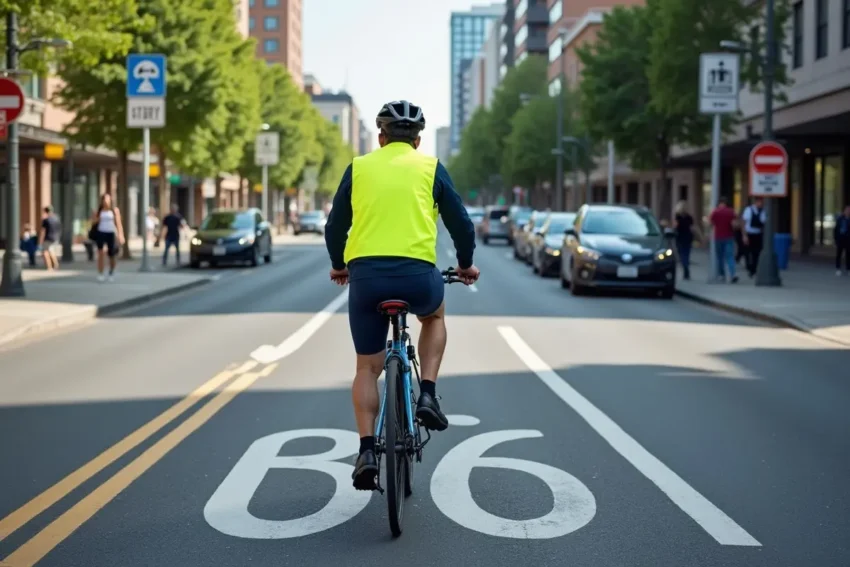
Riding a bicycle through urban environments offers a blend of efficiency and excitement. Amid the convenience and speed, however, city streets bring added risks for cyclists. Proactively applying safety strategies is essential for minimizing accidents and injuries. If you find yourself in need of experienced legal assistance after a cycling accident, consider turning to Ward Law NYC’s top bicycle accident lawyers for guidance and support.
Whether you commute daily or enjoy recreational cycling on the weekends, understanding how to navigate busy roads is key to staying safe. Taking simple yet effective precautions helps ensure not only your safety but also contributes to smoother interactions with other road users.
Along with wearing the right gear, being visible, and following the rules of the road, cyclists can benefit from an informed and alert mindset every time they ride. Each action you take can help prevent accidents and promote a safer community for all.
By staying proactive and attentive, cyclists can better anticipate challenges on populated streets, reducing their risk and protecting themselves from harm. These steps are fundamental to making cycling a safer, more enjoyable experience.
Wear a Helmet
Your helmet is your primary defense against head trauma in cycling accidents. According to the Centers for Disease Control and Prevention, helmets significantly reduce the likelihood and severity of head injuries. Always ensure your helmet fits securely and is certified for safety, and never ride without it.
Enhance Visibility
High visibility is crucial for urban cyclists. Wear bright or reflective items whenever possible, whether you ride during the day or at night. Equip your bicycle with front and rear lights, and consider adding reflective stickers or tape to your frame, helmet, or backpack. These enhancements make it easier for motorists to spot you, especially in low-light conditions or harsh weather.
To take visibility to the next level, choose cycling apparel specifically designed with reflective stripes and colors that contrast with the urban environment. If riding in areas with frequent fog, rain, or low sunlight hours, using additional clip-on lights and wheel reflectors can provide an extra layer of safety. Remember, being seen is just as important as seeing, particularly when navigating crosswalks, driveways, and entrances where drivers may not expect cyclists.
Follow Traffic Laws
Just like vehicles, cyclists must obey all traffic controls, including lights, stop signs, and lane markings. Use clear hand signals for every turn or stop. By adhering to these rules, you demonstrate predictability to drivers and pedestrians, which greatly reduces confusion and the risk of crashes. Abide by local regulations, which are designed to protect all road users, including you.
Beyond the basics, familiarize yourself with local cycling ordinances, which can sometimes differ from general traffic laws. Some cities have unique rules regarding sidewalk riding or dedicated bike traffic signals. Knowing and following these regulations will help you avoid fines and, more importantly, reduce your risk of conflict or collision. Engaging with local cycling groups or organizations can also help keep you informed about new laws or updates to city bike infrastructure.
Stay Alert and Avoid Distractions
Vigilance is your strongest asset in city cycling. Avoid listening to music or using mobile devices while riding, as these can impede your awareness. Watch for hazards such as opening car doors, sudden traffic stops, and uneven pavement. Defensive riding and anticipation can mean the difference between a close call and a serious accident.
To enhance your awareness, practice regularly scanning your environment using glances over your shoulder and checking mirrors if your bicycle is equipped with them. Develop a habit of making eye contact with drivers at intersections or when merging, signaling your presence and intentions. If you ever need to take a call or check directions, pull over in a safe area to do so. Maintaining constant situational awareness can help you react swiftly to unexpected developments in heavy traffic.
Maintain Your Bicycle
Routine maintenance extends your bike’s life and keeps it in top working condition. Inflate tires to the recommended pressure, test your brakes before every ride, and inspect your chain and gears for wear or damage. Cleaning your bike and scheduling regular check-ups with a local shop can prevent mechanical failures on the road. For more tips on bicycle maintenance, see this resource by Bicycling Magazine.
Be Cautious at Intersections
Intersections are statistically the most dangerous zones for cyclists. Approach with deliberate caution, making eye contact with drivers whenever possible. Never assume that a motorist sees you or will yield. Position yourself in a visible area and ensure you have time and space to cross or turn safely. Practicing caution here reduces the risk of serious accidents.
Use Bike Lanes When Available
Dedicated bike lanes provide a buffer between cyclists and motor vehicles. Always ride within these lanes where available, following their direction and posted signs. Bike lanes are designed to protect cyclists from fast-moving traffic and can significantly reduce collision rates, according to recent studies by The New York Times.
Where bike lanes end or are temporarily blocked, merge safely into traffic by signaling in advance and moving deliberately. Learn to anticipate situations where cars may enter or cross bike lanes, such as near parking lots or driveways, and adjust your speed accordingly. Building experience in lane positioning and knowing when to take the entire lane for safety can help prevent “dooring” incidents and other common urban cycling risks.
Plan Your Route
Selecting the optimal cycling route can greatly enhance your safety and comfort. Use city maps or bike-friendly navigation apps to identify quiet roads, bike paths, and streets with marked bicycle infrastructure. Whenever possible, avoid highways, construction zones, or heavily trafficked intersections, as these increase your risk.
Consider pre-riding a new route during less busy times to familiarize yourself with potential hazards or tricky sections. Factor in changes in lighting, traffic flow at certain times of day, and seasonal weather conditions that may affect your travel. Involving friends or joining local group rides can help you learn the safest and smoothest paths through your city while building camaraderie and mutual support among fellow cyclists.
A thoughtful approach to these safety measures empowers cyclists to traverse urban streets while mitigating the likelihood of accidents confidently. By remaining vigilant, following best practices, and respecting the rules of the road, cyclists not only protect themselves but also foster more harmonious shared spaces for all commuters.