
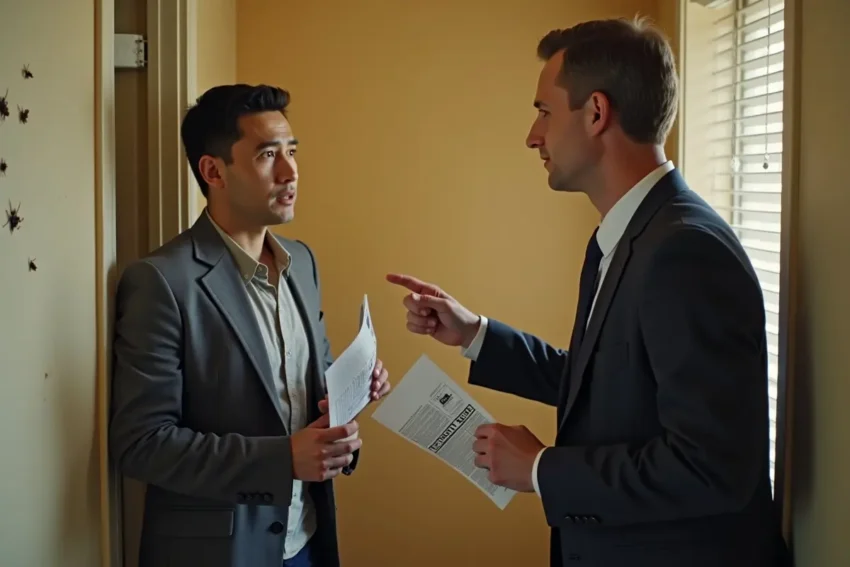
Living with pests can make any home feel uncomfortable and stressful. For tenants, the situation becomes more serious when infestations affect health, safety, and daily life.
In California, renters often face questions about what they can expect from their landlord when these issues arise. For those dealing with ongoing problems such as roaches in apartment California, understanding tenant rights can help bring clarity and direction.
What Counts As A Pest Infestation Problem
Not every pest sighting means there is a legal issue, though repeated or widespread infestations often raise concerns. Occasional insects may happen in many environments, especially in warmer climates. However, a persistent presence of pests such as cockroaches can point to a larger problem.
An infestation usually involves ongoing activity that affects normal living conditions. This may include frequent sightings, nests, droppings, or damage to property. When pests spread through multiple units or common areas, the situation may indicate a broader maintenance issue within the building.
In many cases, infestations are linked to structural problems, poor sanitation in shared areas, or gaps in maintenance. These underlying causes often fall outside the control of individual tenants.
Landlord Responsibilities For Habitability
California law generally requires landlords to provide rental units that meet basic habitability standards. This includes maintaining conditions that are safe, clean, and fit for living. Pest control is often part of that responsibility, especially when the issue is not caused by the tenant.
Landlords may be expected to take reasonable steps to address infestations once they are aware of the problem. This can involve hiring pest control services, repairing entry points, and ensuring that common areas are properly maintained.
If the issue affects multiple units or stems from building-wide conditions, the responsibility may rest more clearly with the property owner or manager. In these situations, tenants should not have to manage the problem on their own.
How Tenants Can Respond To Infestations
When pests become a recurring issue, tenants can take several steps to address the situation. The first step is often documentation. Keeping a record of sightings, taking photos, and noting dates can help show how long the problem has been present.
Next, tenants should notify the landlord or property manager in writing. A written request helps create a timeline and shows that the issue has been reported. It also gives the landlord an opportunity to respond and arrange for treatment.
If the infestation continues, follow-up communication may be necessary. Keeping copies of emails, messages, and maintenance requests can help build a clear record of the situation.
Tenants should also take reasonable steps to maintain their own living space. This may include keeping food sealed, disposing of waste properly, and maintaining general cleanliness. While these actions do not replace the landlord’s responsibilities, they can help reduce contributing factors.
When Infestations Affect Health And Safety
Pest infestations can do more than create inconvenience. Cockroaches, in particular, may carry bacteria and trigger allergies or respiratory issues. For some tenants, especially children or those with health concerns, the impact can be more serious.
Living with a persistent infestation can also affect comfort and peace of mind. Sleep disruption, stress, and difficulty using certain areas of the home are common concerns. Over time, these conditions can make the space feel unlivable.
When health and safety are affected, the urgency of the situation often increases. Tenants may feel the need to seek further guidance if the issue remains unresolved.
Understanding When Legal Help May Be Needed
Not every infestation leads to legal action, though some situations may require additional support. If a landlord fails to respond to repeated requests or delays necessary treatment, tenants may begin to explore their options.
The key factors often include how long the issue has existed, whether it has been reported, and how the landlord has responded. A pattern of inaction may raise concerns about whether habitability standards are being met.
Seeking guidance can help tenants understand their position and what steps may be appropriate. Each case depends on its specific facts, so having a clear record of the situation can be helpful.
Creating Better Living Conditions For Tenants
Safe and comfortable housing depends on proper maintenance and clear communication. When landlords respond to pest issues quickly and thoroughly, they help prevent small problems from becoming larger concerns.
Tenants also play a role by reporting issues early and keeping records of their communication. This shared effort can lead to faster solutions and better living conditions for everyone in the building.
Understanding tenant rights in situations involving pest infestations can make a meaningful difference. When renters know what to expect and how to respond, they are better prepared to protect their living space and their well-being.