
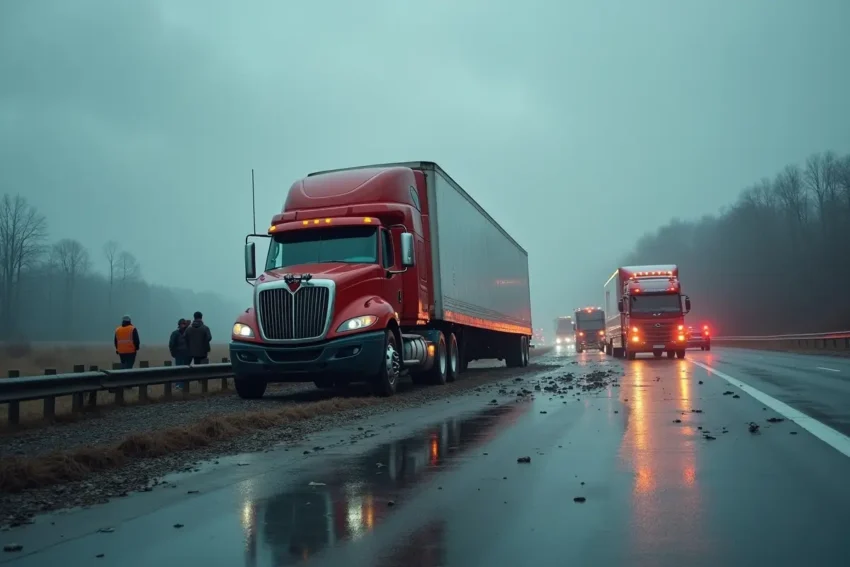
Trucking companies are required to meet strict safety and insurance standards. When those standards are not maintained, serious risks can follow. In many semi truck injury claims, a lapse in coverage becomes a key issue after a crash.
Why Insurance Coverage Matters In Trucking
Commercial trucking companies must carry active insurance at all times. This coverage is not just a formality but a legal requirement tied to safety. It ensures that drivers and companies are operating responsibly.
Insurance filings are closely monitored by regulators. When coverage lapses, a company can lose its authority to operate. This means the company should not be on the road at all.
If a truck continues operating without proper coverage, it raises serious concerns. It suggests a breakdown in oversight and compliance. This can increase the risk of accidents.
What Happens When Coverage Lapses
Insurance coverage can lapse for a number of reasons. It may happen due to missed payments or failure to keep required filings up to date. No matter the cause, the outcome can be serious.
When coverage is no longer active, regulators can step in and suspend the company’s authority to operate. This is done to protect others on the road. It keeps uninsured trucks from continuing to run.
If a company keeps operating after that suspension, it is breaking the rules. This puts other drivers at greater risk. It also raises concerns about how the company is being managed.
The Link Between Compliance And Safety
Insurance compliance often reflects overall management. Companies that fail to maintain coverage may also neglect other responsibilities. This can include vehicle maintenance or driver training.
Safety programs require attention and resources. A lapse in one area may indicate problems in others. This pattern can increase the likelihood of a crash.
Regulators expect companies to consistently follow all rules. When they do not, it can signal deeper issues. These issues may come to light after an accident.
How Coverage Issues Affect Liability
After a trucking collision, investigators look at many factors. Insurance status is one of them. A lapse in coverage can influence how liability is determined.
Operating without valid insurance may constitute negligence. It shows that the company failed to meet basic requirements. This can strengthen the claims of injured parties.
Liability may extend beyond the driver. The company’s actions and policies are also considered. Coverage issues can play a major role in this process.
The Impact On Injury Claims
Injury claims involving commercial trucks can be complex. When coverage lapses are involved, the situation becomes more challenging. Identifying responsible parties may take time.
Victims may face uncertainty about compensation. Without proper insurance, recovering damages can be more difficult. This can add stress to an already difficult situation.
Evidence of noncompliance can support a claim. It helps show that safety standards were not followed. This can influence the outcome of the case.
Signs Of Larger Safety Problems
A lapse in coverage is rarely an isolated issue. It may point to poor management or lack of oversight. These problems can affect multiple areas of operation.
For example, a company that misses insurance deadlines may also overlook maintenance checks. This can lead to unsafe vehicles on the road. Drivers may also lack proper training or supervision.
These factors increase the risk of serious accidents. Identifying them can be important after a crash. It helps explain how the incident occurred.
Why Early Investigation Matters
Time is important after a trucking accident. Evidence can change or disappear if not preserved. Early investigation helps secure important details.
Insurance records and regulatory filings should be reviewed quickly. These documents can reveal whether a lapse occurred. They can also provide insight into the company’s practices.
Acting promptly can strengthen a claim. It ensures that key information is not lost. This can make a difference in the outcome.
When Legal Guidance Becomes Important
Trucking cases often involve multiple layers of responsibility. Legal guidance can help navigate these complexities. Understanding the role of insurance is part of this process.
Professionals can review compliance records and identify issues. They can also help build a case based on available evidence. This support can be valuable for injured individuals.
Knowing your rights is essential after a collision. It allows you to take informed steps. This can help protect your interests.
Final Thoughts
A lapse in insurance coverage can reveal deeper safety problems within a trucking company. These issues can play a major role in determining liability after a crash. In semi truck injury claims, uncovering compliance failures can help explain what went wrong and support a path toward recovery.